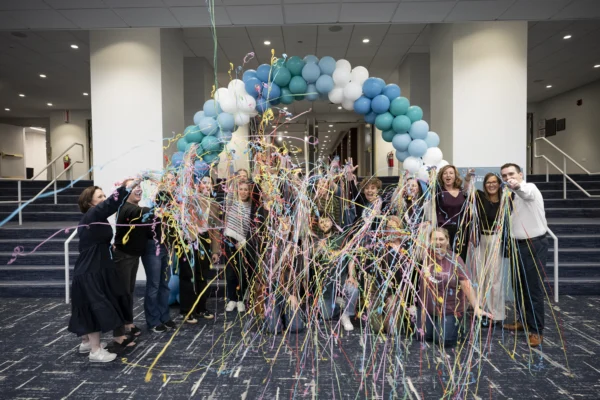
More than 2,000 educators, researchers, school and district leaders, higher education faculty, and literacy professionals came together in Chicago for The Reading League Conference 2026.
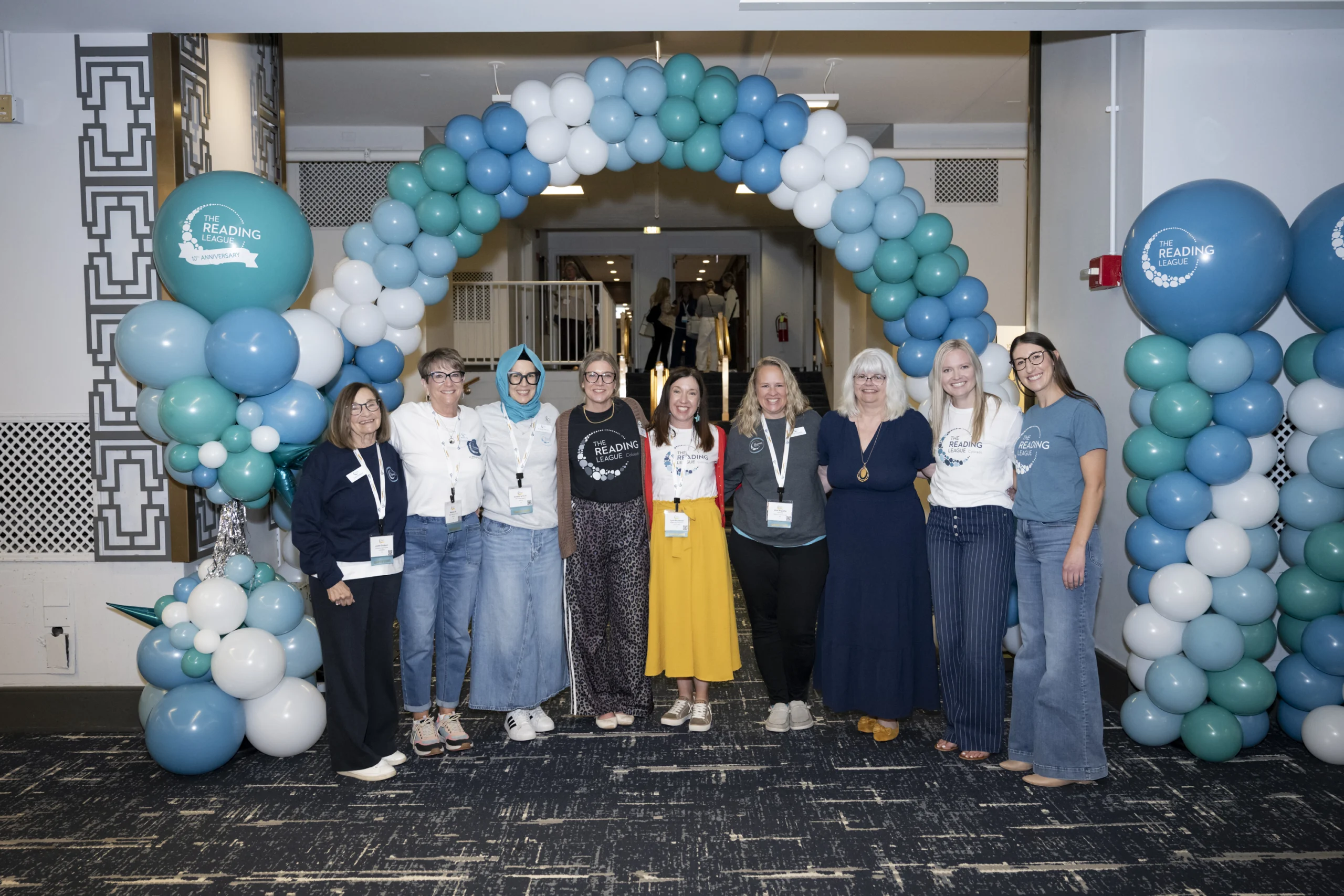
This year’s gathering also marked an important milestone: 10 years of The Reading League and 10 conferences bringing people together around a shared commitment to improving reading outcomes.
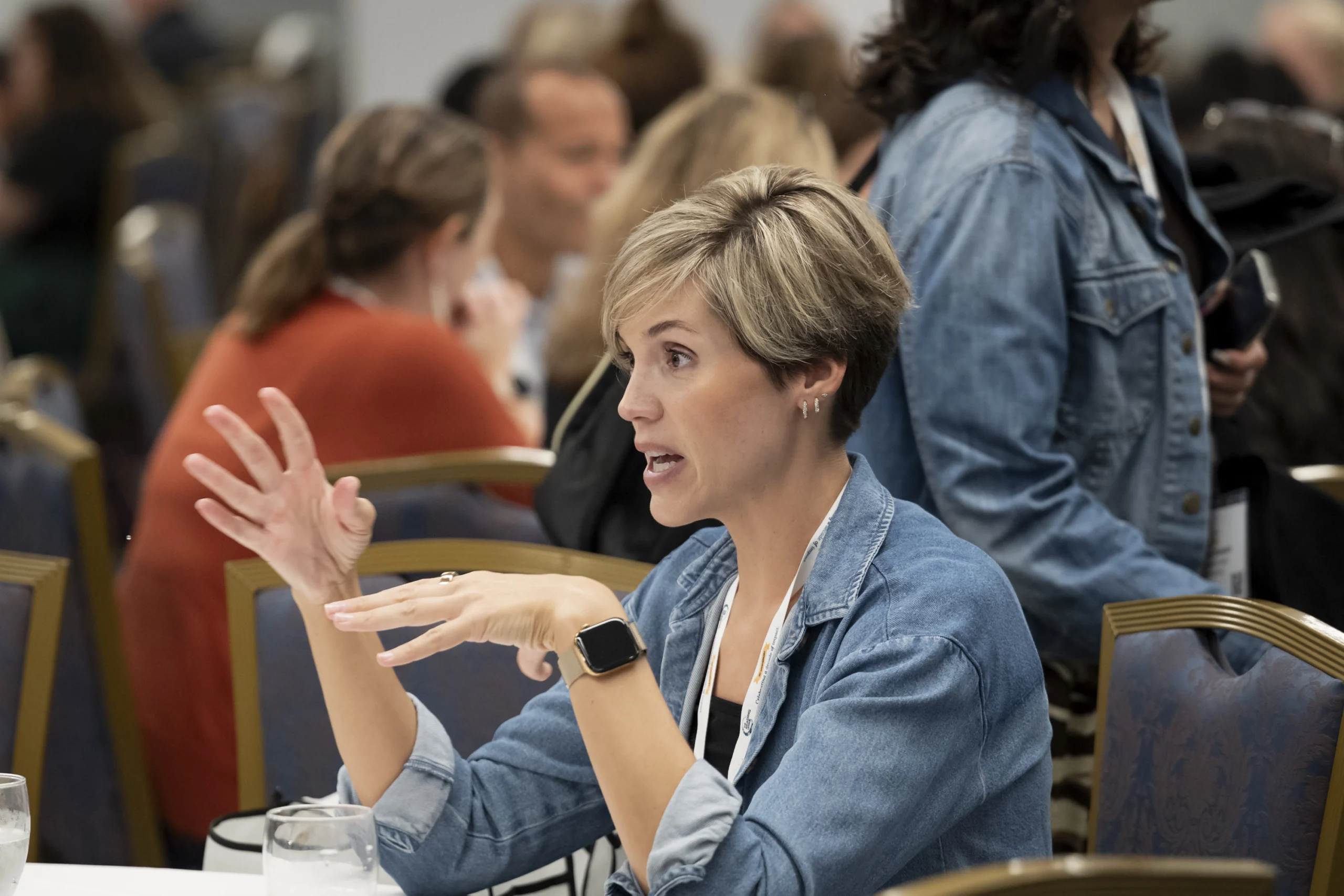
Across three days, attendees filled session rooms, continued conversations in hallways, reconnected with colleagues and chapter members, and left with new ideas to bring back to their classrooms, schools, districts, and communities.
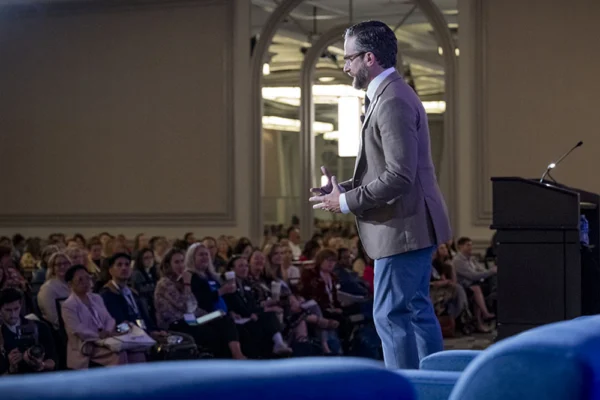
Asking Big Questions About Teaching and Learning
Dr. Adam Kronk of the University of Notre Dame opened the conference with a keynote that invited attendees to think beyond literacy instruction and consider a broader question:
Drawing from his work developing the DELTA framework, Dr. Kronk explored dignity, learning, and the value of “choosing hard” (i.e., taking on the challenge of learning something deeply) rather than always choosing the “frictionless” path.
It was a fitting way to begin a conference grounded in evidence and inquiry. We must ask what works, and we must also ask to what end: Why does it matter? What is the goal of teaching and learning?
Moving From Research to Practice
The connection between research and practice continued throughout the conference.
Across 60 breakout sessions, presenters explored topics ranging from foundational skills and adolescent literacy to the science of teaching and learning, oral language, assessment, advanced reading research, and more.
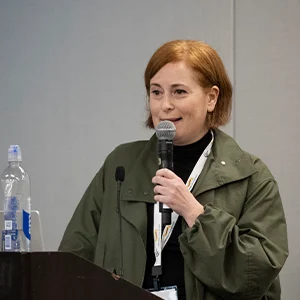
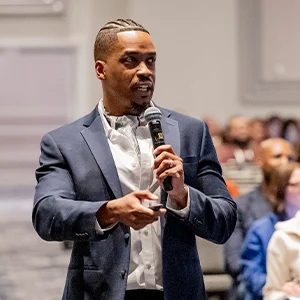
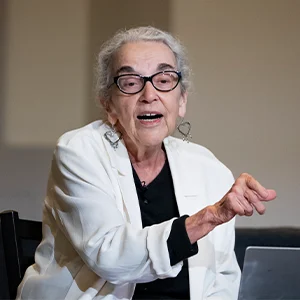
New follow-up sessions led by members of The Reading League’s Academic Team made the research-to-practice connection even more explicit. Following presentations on topics including eye-tracking research and oral language development, TRL experts helped attendees explore what the findings could mean for assessment and classroom instruction.
These conversations reflected something central to The Reading League’s work: bringing researchers and educators together so that scientific knowledge can inform what happens in classrooms, schools, and systems, leading to better outcomes for our students.
Building Knowledge Through Conversation
Closing keynote speaker Dr. Sonia Cabell brought the conference’s academic programming back to one of the most important tools educators have—conversation.
Her keynote explored the role of back-and-forth interactions in building oral language and the importance of content-rich instruction in developing the background knowledge students need to comprehend text.
Through research, classroom examples, and video demonstrations, Dr. Cabell showed how educators can intentionally build language and knowledge early on through read-alouds and structured discussions in areas such as science and social studies.
It was a practical conclusion to three days filled with the common message that strong literacy instruction is built through deep knowledge, purposeful teaching, and evidence translated into action.
A Community That Keeps Growing
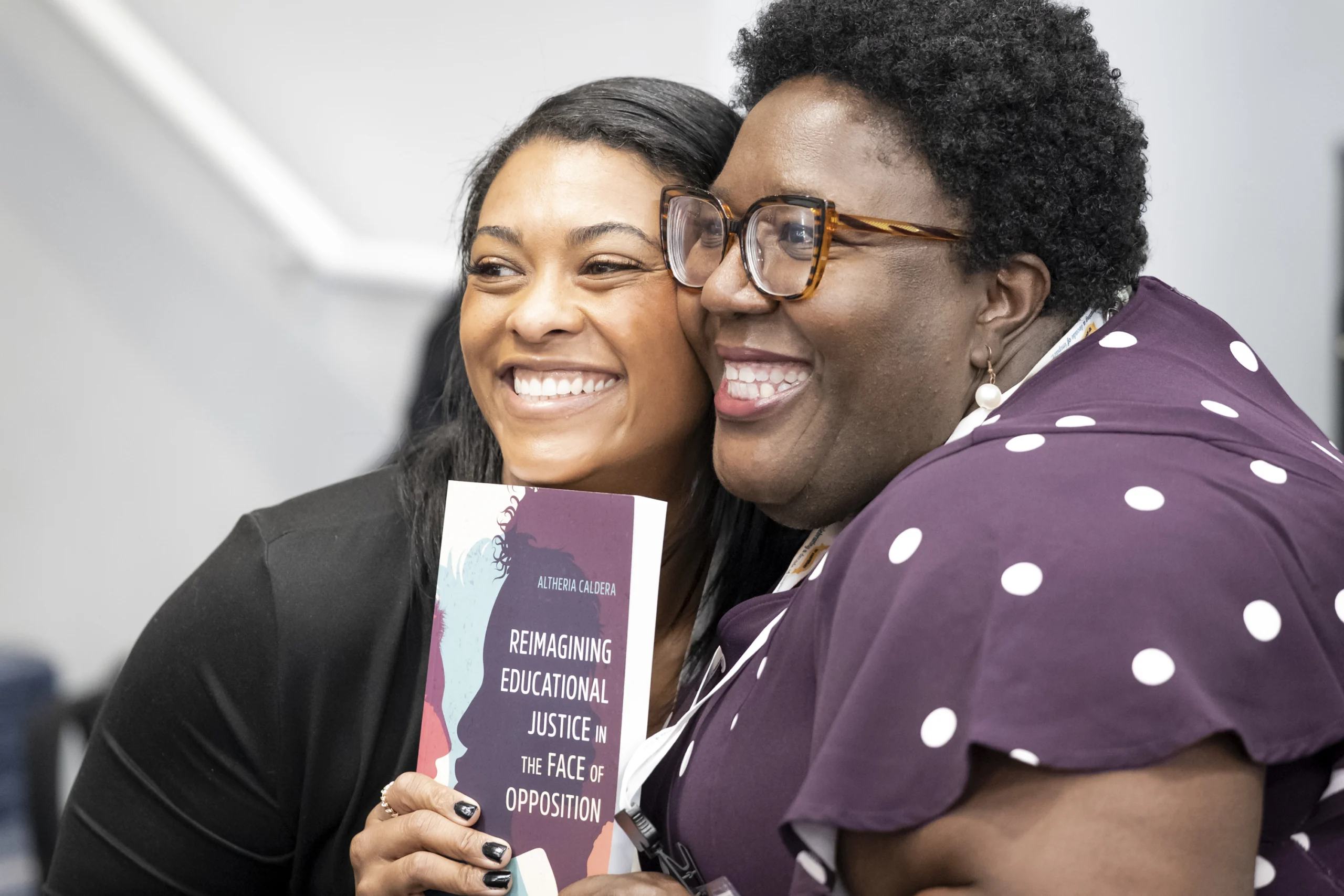
 Learning is only part of what makes The Reading League Conference special. The relationships formed around that learning matter, too.
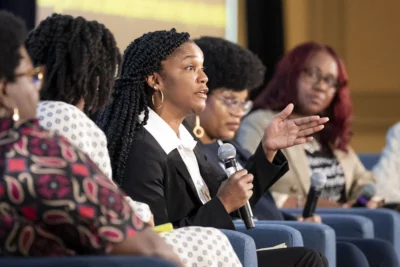
This year, members of the third Educators of Color Conference Community gathered after nine months of shared professional learning and collaboration. During a conference panel, members reflected on culturally responsive teaching, literacy, and the importance of ensuring that every student has access to the instruction needed to become a skilled reader.
The conference also marked an extraordinary milestone for The Reading League Chapter Network. Beginning in January 2027, The Reading League will have 51 chapters—one in every state and Washington, D.C.
What began with the first TRL chapters in 2019 has grown into a nationwide network of educators and advocates working locally to advance evidence-aligned reading instruction.
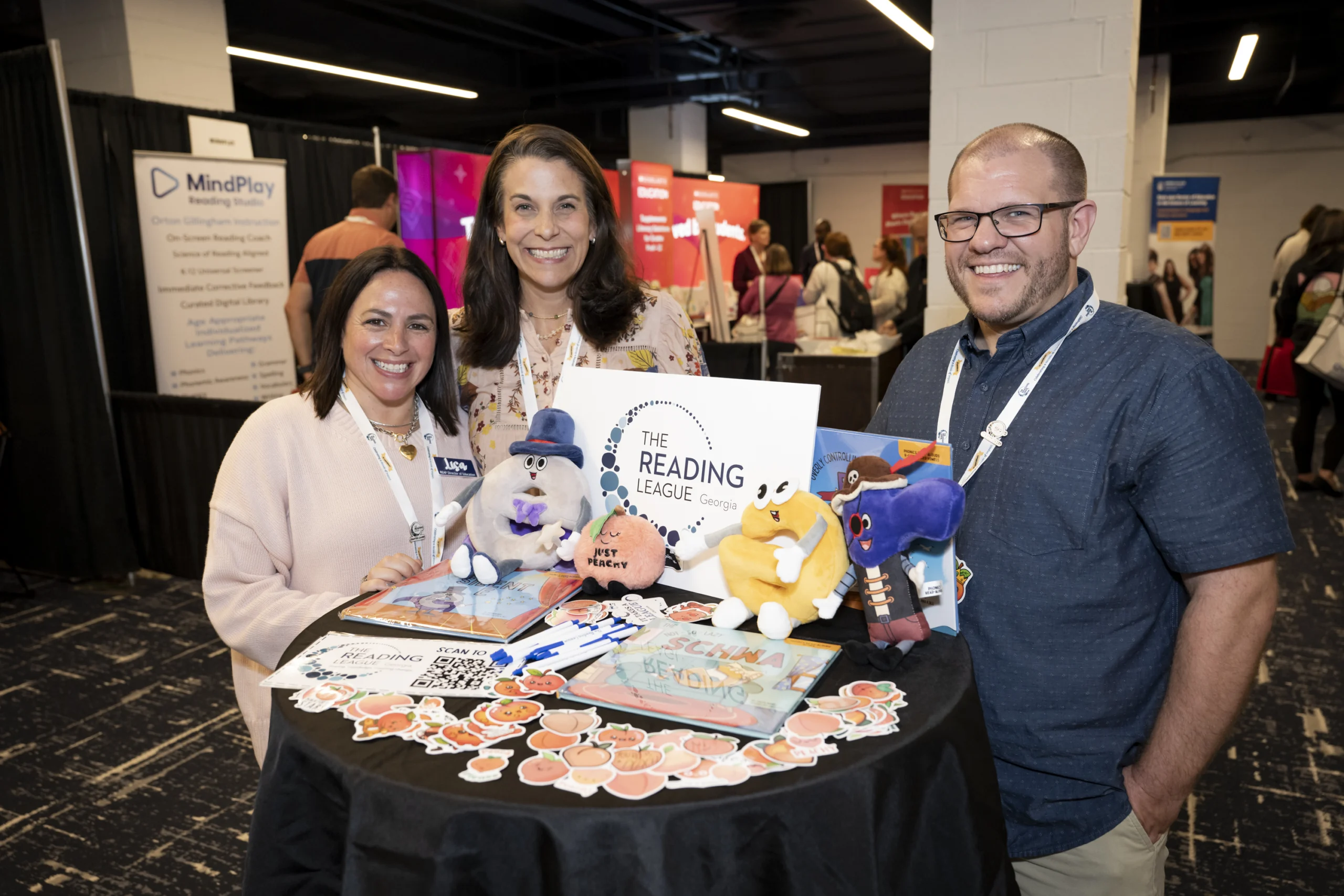
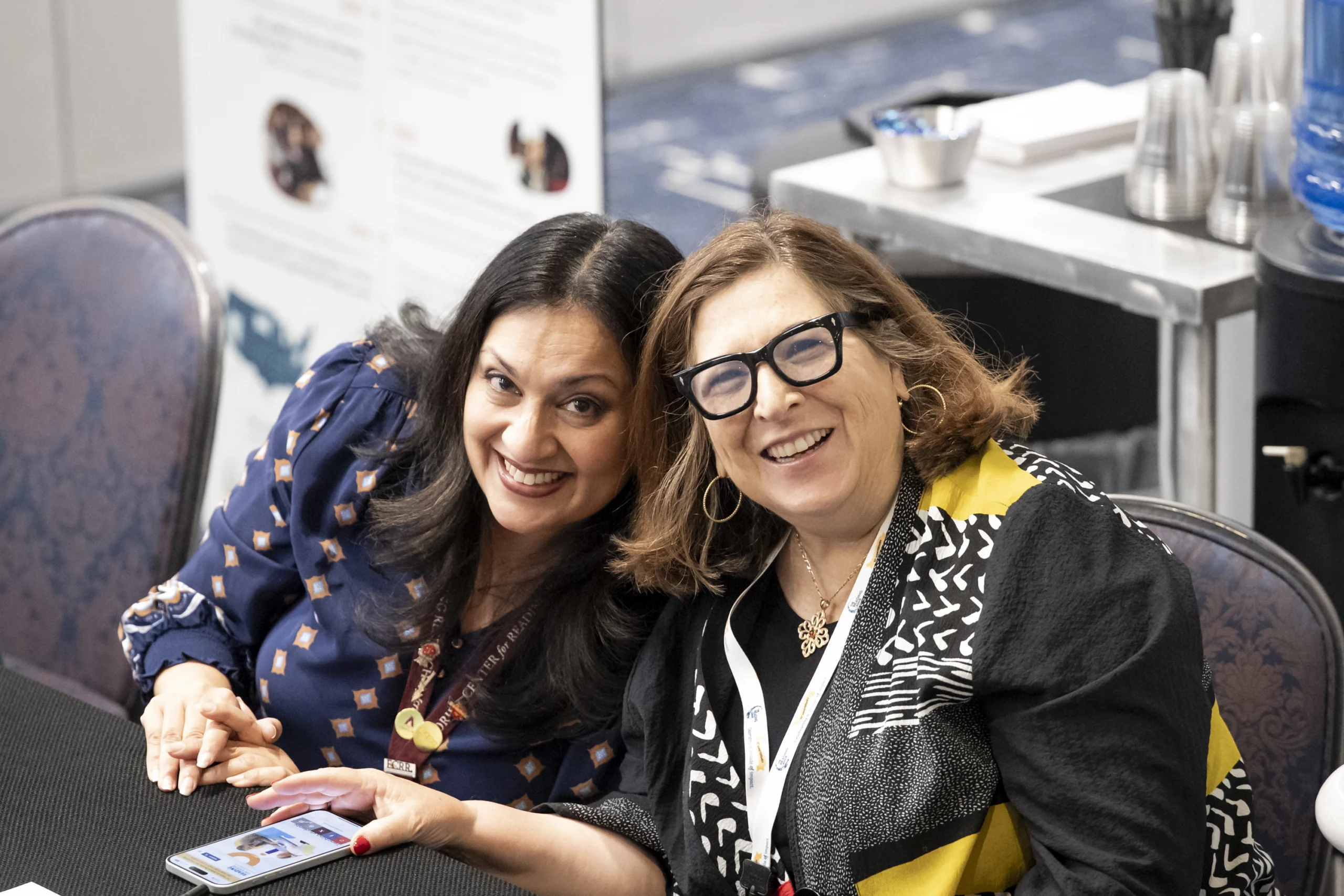
Throughout the conference, those connections were visible at the chapter reception, in conversations between sessions, and among educators, researchers, professional learning partners, and colleagues meeting one another for the first time.
Those moments matter.
And that is how teacher practice—and ultimately student outcomes—move forward.
What’s Ahead for TRLConf2027?
Before parting ways, we shared where The Reading League community will gather for the next conference.
The Reading League Conference 2027 will take place September 29–October 1, in Charlotte, North Carolina.
Registration is now open, with early bird pricing available through April 1.
And for those looking for another opportunity to learn together sooner, The Reading League Summit 2027: Implementing MTSS will take place April 8–9 in Orlando, Florida. The Summit offers a different learning experience, bringing everyone together around one topic for two focused days of shared learning.
Ten years after The Reading League began, the community surrounding this work is larger than ever. But the purpose remains the same—connecting people with knowledge, evidence, and one another in order to help every child learn to read.
Thank you to everyone who joined us in Chicago and made TRLConf2026 the extraordinary experience it was.
We look forward to seeing you in Charlotte.